Edge Computing and Mobile Connectivity 2026: The Future of Real-Time Data Processing
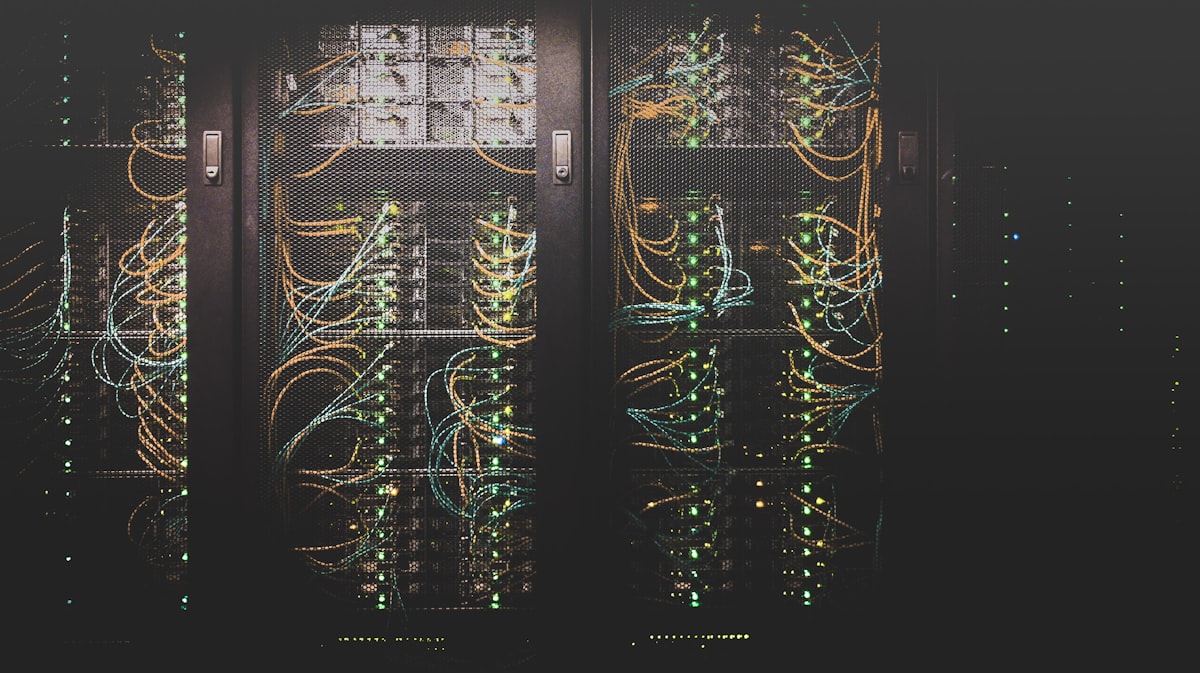
Edge computing represents one of the most significant technological shifts of the decade, bringing data processing closer to where it's needed. Combined with advanced mobile connectivity technologies like eSIM and 5G, edge computing enables real-time applications, reduces latency, and transforms how we interact with digital services. This guide explores how edge computing works, its benefits for mobile users, and its integration with modern connectivity solutions.
Understanding Edge Computing
Edge computing moves data processing from centralized cloud servers to locations closer to end users. Instead of sending all data to distant data centers, edge computing processes information at the network edge, near devices generating or consuming data. This fundamental shift addresses latency limitations and bandwidth constraints that affect cloud computing.
Traditional cloud computing routes data from devices through networks to remote servers, processes it, and sends results back. This round trip creates delays measured in hundreds of milliseconds. Edge computing reduces this to milliseconds by processing data locally or at nearby edge nodes.
Key components of edge computing:
- Edge devices: Smartphones, tablets, IoT sensors, and other connected devices
- Edge nodes: Local servers or computing infrastructure near users
- Edge networks: 5G, fiber, and wireless connections linking devices to edge infrastructure
- Cloud integration: Coordination between edge and central cloud systems
💡 Quick Tip: Edge computing doesn't replace cloud computing. Instead, it complements cloud services by handling time-sensitive tasks locally while cloud systems manage large-scale data storage and complex analytics.
Why Edge Computing Matters for Mobile Users
Mobile devices generate enormous amounts of data through apps, sensors, cameras, and user interactions. Processing this data at the edge rather than in distant clouds creates tangible benefits for users.
Reduced Latency
Latency refers to the delay between sending a request and receiving a response. Edge computing dramatically reduces latency by processing data nearby. For applications requiring instant responses like augmented reality, gaming, or autonomous vehicle navigation, lower latency means better performance and user experience.
Improved Bandwidth Efficiency
Edge computing reduces the amount of data transmitted over networks. By processing data locally, only essential information or results need transmission. This efficiency becomes crucial as mobile data usage grows and network capacity faces increasing demands.
Enhanced Privacy and Security
Processing sensitive data at the edge rather than transmitting it to distant servers improves privacy. Personal information can remain closer to its source, reducing exposure during transmission. Edge systems can implement local security measures tailored to specific use cases.
Offline Capabilities
Edge computing enables applications to function with limited or intermittent connectivity. Devices can process data locally and synchronize with cloud systems when connections are available. This capability proves essential for travelers, remote workers, and users in areas with unreliable internet access.
Edge Computing and Mobile Connectivity
Edge computing's effectiveness depends on reliable, high-speed mobile connectivity. Modern mobile technologies like 5G and eSIM create ideal conditions for edge computing deployment.
5G Networks Enable Edge Computing
5G networks provide the speed, low latency, and capacity necessary for edge computing applications. With speeds reaching gigabits per second and latency dropping to single-digit milliseconds, 5G creates the connectivity foundation edge computing requires. The combination enables real-time applications previously impossible on mobile devices.
5G's network slicing capability allows operators to create dedicated network segments optimized for specific edge computing applications. This flexibility ensures critical applications receive priority bandwidth and minimal latency.
eSIM Technology Simplifies Edge Access
eSIM technology plays a crucial role in edge computing adoption by simplifying connectivity management. eSIM allows devices to connect instantly to local networks without physical SIM cards, enabling seamless transitions between edge computing nodes and networks.
For travelers and mobile workers, eSIM provides immediate access to local edge infrastructure. When you arrive in a new location, eSIM can activate a local data plan instantly, connecting you to nearby edge computing resources. This capability eliminates connectivity delays that could impact edge computing performance.
eSIM benefits for edge computing:
- Instant network access: Connect to local edge infrastructure immediately
- Multi-network flexibility: Switch between networks to access optimal edge nodes
- Reduced latency: Local network connections minimize data transmission delays
- Global coverage: Access edge computing resources worldwide with regional eSIM plans
Real-World Applications
Edge computing combined with mobile connectivity enables numerous practical applications transforming how we work, travel, and interact with technology.
Augmented Reality and Virtual Reality
AR and VR applications require extremely low latency to create immersive experiences. Edge computing processes visual data and user interactions locally, reducing the delay between user actions and system responses. Combined with 5G connectivity, edge computing makes mobile AR and VR practical for consumer devices.
Autonomous Vehicles
Self-driving vehicles generate terabytes of sensor data requiring real-time processing. Edge computing enables vehicles to process critical safety decisions locally while communicating with traffic management systems through 5G networks. This combination creates the responsive systems necessary for autonomous operation.
Smart Cities
Smart city infrastructure relies on edge computing to process data from thousands of sensors monitoring traffic, air quality, energy usage, and public safety. Edge nodes process this data locally, enabling real-time responses to changing conditions while reducing network load.
Remote Work and Collaboration
Edge computing enhances remote work by processing video calls, file transfers, and collaborative applications locally. This reduces latency during video conferences and improves responsiveness of cloud-based productivity tools. For digital nomads and remote workers, edge computing combined with reliable eSIM connectivity creates seamless work experiences regardless of location.
Future Developments
Edge computing continues evolving, with several trends shaping its future development and integration with mobile connectivity.
Artificial Intelligence at the Edge
AI processing is moving to edge devices and nodes, enabling intelligent applications without constant cloud connectivity. Mobile devices increasingly include dedicated AI processors capable of running machine learning models locally. This development creates more responsive and privacy-preserving AI applications.
Distributed Edge Networks
Edge computing infrastructure is expanding beyond traditional data centers to include distributed networks of smaller edge nodes. These networks bring computing resources closer to users, further reducing latency and improving performance for mobile applications.
Integration with IoT
The Internet of Things generates massive amounts of data requiring processing. Edge computing provides the infrastructure to handle this data locally, reducing network congestion and enabling real-time IoT applications. eSIM technology simplifies IoT device connectivity, making edge computing more accessible for connected devices.
Challenges and Considerations
While edge computing offers significant benefits, several challenges require attention for successful implementation.
Infrastructure requirements: Edge computing requires distributed infrastructure investments. Deploying edge nodes across geographic areas demands significant resources from technology providers and network operators.
Security concerns: Distributing computing resources creates more potential security vulnerabilities. Edge systems require robust security measures to protect against threats at multiple locations rather than centralized data centers.
Standardization: Edge computing lacks universal standards, creating compatibility challenges between different systems and providers. Industry efforts toward standardization continue, but fragmentation remains a concern.
Cost management: While edge computing reduces some costs like bandwidth, it increases infrastructure expenses. Balancing these costs requires careful planning and optimization.
Getting Started with Edge Computing
For mobile users, edge computing benefits become accessible through reliable connectivity and modern devices. Ensuring you have the right connectivity solutions maximizes edge computing advantages.
Choose devices with edge computing support: Modern smartphones and tablets include processors capable of local data processing. Devices with 5G connectivity and eSIM support provide optimal edge computing experiences.
Select reliable connectivity: eSIM technology ensures you can connect to local networks instantly, accessing nearby edge computing resources. Regional eSIM plans provide seamless connectivity across multiple locations, maintaining access to edge infrastructure during travel.
Understand application requirements: Different applications benefit from edge computing differently. Real-time applications like gaming, video calls, and AR see the most significant improvements. Understanding which applications leverage edge computing helps you optimize your mobile experience.
🚀 Experience Edge Computing Benefits
Reliable mobile connectivity is essential for accessing edge computing resources. Get instant network access with eSIM technology. Explore eSIM plans for edge computing →
The Future of Mobile Computing
Edge computing represents a fundamental shift in how we process and interact with data. Combined with advanced mobile connectivity technologies like 5G and eSIM, edge computing enables applications and experiences previously impossible on mobile devices.
As edge computing infrastructure expands and mobile connectivity improves, users will experience faster, more responsive, and more intelligent applications. The combination of edge computing and reliable mobile connectivity creates the foundation for next-generation mobile experiences, from augmented reality to autonomous systems to real-time collaboration.
Understanding edge computing and ensuring you have the connectivity solutions to access edge resources positions you to benefit from these technological advances. With eSIM technology providing instant access to local networks worldwide, edge computing becomes accessible wherever your mobile lifestyle takes you.